


By Newswriters News Desk
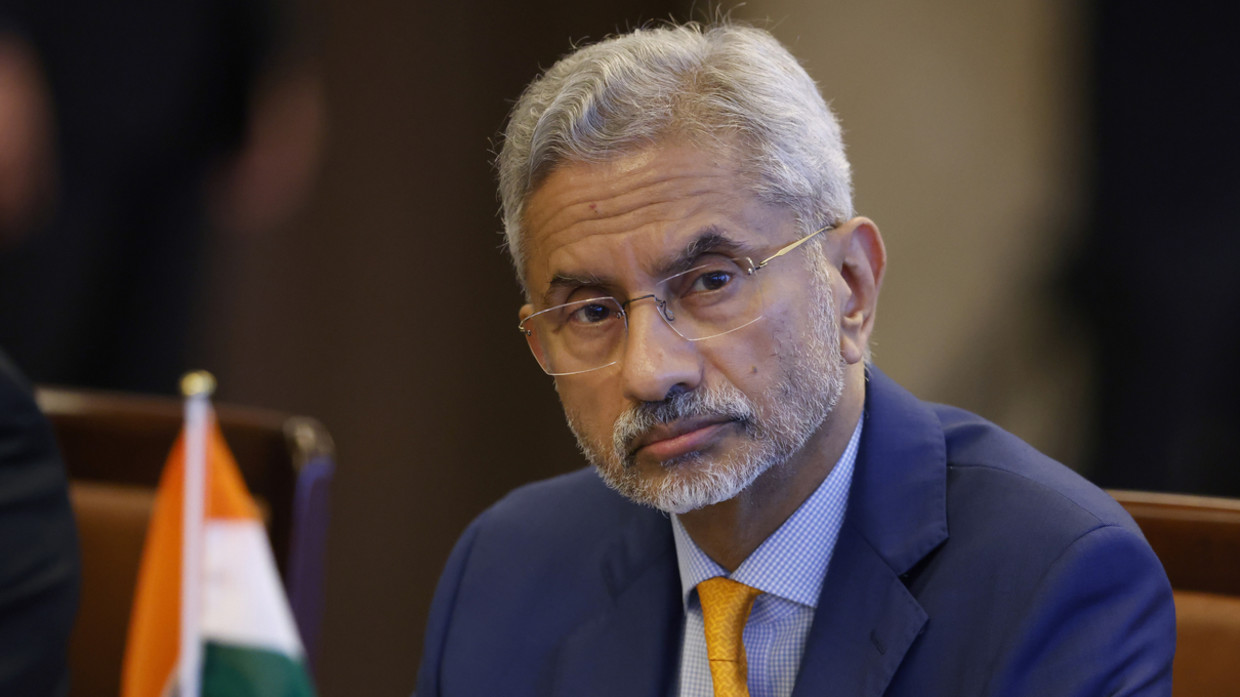
India has struck a cautionary note on the growing risk of bioterrorism, calling it a major global concern as the world marks the 50th anniversary of the Biological Weapons Convention (BWC). Addressing the conference, S. Jaishankar warned that “disease must never be used as a weapon,” urging that biology be harnessed for peace — not harm. DD News On Air+2Hindustan Times+2
This intervention comes at a time when advances in biotechnology — including synthetic biology and genetic tools — have eroded traditional barriers that once limited the development and spread of biological weapons. The BWC, originally negotiated in 1972 and in force since 1975, prohibits development, production and stockpiling of biological and toxin weapons. Wikipedia+2VISION IAS+2 However, its enforcement and oversight mechanisms have often been criticized as weak or outdated. MP-IDSA+2The Economic Times+2
Jaishankar’s remarks underscore a worrisome shift: misuse by non-state actors — previously seen as a remote possibility — is now “no longer a distant possibility.” The Times of India+2Hindustan Times+2 The nature of biological threats — fast-moving, often invisible, and capable of crossing borders undetected — makes them uniquely difficult to contain once unleashed. PMC+2Wikipedia+2
In this context, the BWC’s role as a “guardrail between innovation and misuse” is increasingly vital. DD News On Air+2Wikipedia+2 But as Jaishankar emphasized, the treaty needs to evolve: updating compliance architecture, creating a permanent technical body, and strengthening global biosecurity frameworks to match current scientific realities. The Economic Times+1
This is not just a challenge for governments — it demands global cooperation across health, science, security and governance domains. Experts have long warned that bioterrorism cannot be dismissed as science fiction. ResearchGate+1 The stakes are high: a deliberate biological attack could overwhelm public health systems, trigger economic and social disruption, and cause loss of life on a massive scale. historyofvaccines.org+1
By raising the alarm today, India seeks to catalyze international momentum — to ensure that biology remains a force for well-being and not destruction. As the BWC turns 50, the world may well be entering a decisive moment: whether to bolster the guardrails around life sciences, or risk seeing them weaponized in ways no existing treaty fully anticipates.

