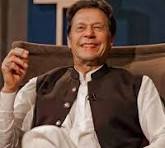


In a striking display of cross-border solidarity, fourteen former international cricket captains have united to demand better treatment for Imran Khan, Pakistan’s imprisoned former prime minister and one of the sport’s enduring icons.
By Newswriters News Desk
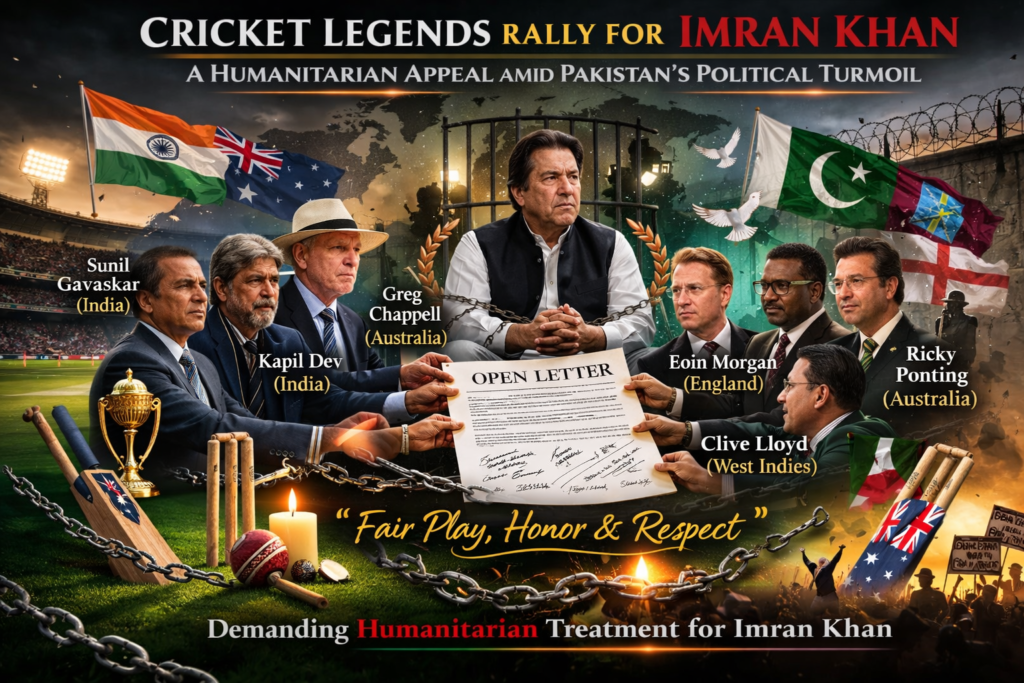
The open letter, addressed to Prime Minister Shehbaz Sharif, highlights growing concerns over Khan’s deteriorating health and prison conditions, framing the plea through the lens of “fair play, honor, and respect” that defines cricket. This intervention, drafted by Australian legend Greg Chappell and signed by luminaries including India’s Sunil Gavaskar and Kapil Dev, underscores how cricket’s global fraternity can transcend geopolitical divides, even as Pakistan grapples with internal political strife.
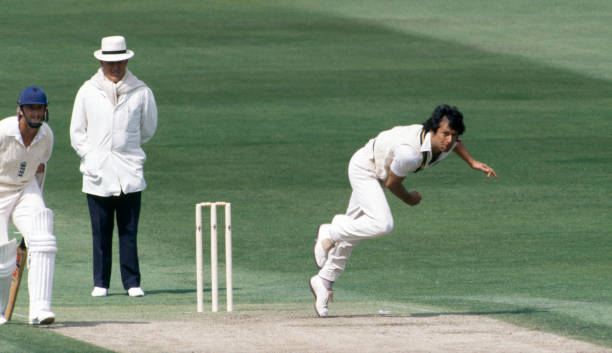
Imran Khan’s story is one of remarkable duality: a cricketing hero turned political disruptor. From 1971 to 1992, Khan captained Pakistan to unprecedented heights, most notably leading them to their first World Cup victory in 1992. His all-round prowess—elegant batting, fiery bowling, and charismatic leadership—earned him a place among the game’s all-time greats, alongside figures like Sir Garfield Sobers and Sir Ian Botham.
Post-retirement, Khan pivoted to politics, founding the Pakistan Tehreek-e-Insaf (PTI) party in 1996. His anti-corruption crusade resonated with millions, propelling him to the premiership in 2018. However, his tenure was marred by economic challenges, foreign policy shifts, and clashes with the powerful military establishment. Ousted in a no-confidence vote in 2022, Khan was arrested in August 2023 on charges ranging from corruption to leaking state secrets—allegations he and his supporters decry as politically motivated vendettas.
The cricketers’ appeal arrives at a critical juncture. Khan, now 73, has been held in Adiala Jail, Rawalpindi, for over two and a half years. Reports of his health woes have intensified, particularly regarding his vision.
According to court submissions by his lawyer, Salman Safdar, Khan has been left with just 15% vision in his right eye after months of ignored complaints. His sister, Aleema Khan, has publicly alleged that authorities denied family members and doctors access, exacerbating his condition. Pakistan’s Supreme Court intervened recently, ordering a medical examination and permitting phone contact with his sons, but critics argue these measures fall short of addressing systemic mistreatment.
The letter echoes these grievances, expressing “profound concern” over the “alarming deterioration” of Khan’s health and calling for immediate access to specialists of his choosing, humane detention conditions aligned with international standards, and regular family visits.
The signatories represent a who’s who of cricket royalty, spanning five nations: Australia’s Greg Chappell, Ian Chappell, Allan Border, Steve Waugh, Belinda Clark, and Kim Hughes; England’s Mike Atherton, Nasser Hussain, Mike Brearley, and David Gower; India’s Gavaskar and Dev; West Indies’ Clive Lloyd; and New Zealand’s John Wright.
Notably absent are former Pakistani captains, though figures like Wasim Akram, Waqar Younis, and Shahid Afridi have previously urged authorities to ensure proper medical care. This omission highlights the domestic sensitivities, where speaking out against the establishment can invite repercussions.
The PTI has welcomed the appeal, urging more cricketers worldwide to join in condemning what they term “political vendetta and severe injustice.”
This episode revives memories of cricket’s diplomatic role in South Asia. Khan himself once symbolized the sport’s unifying power, playing county cricket in England and fostering ties across borders.
The inclusion of Indian icons like Gavaskar—who holds the record for most Test centuries until Sachin Tendulkar surpassed him—and Dev, architect of India’s 1983 World Cup triumph, is particularly poignant amid Indo-Pak tensions. Bilateral relations have been strained by military skirmishes and stalled dialogues, yet these legends’ signatures signal that human rights concerns can bridge divides. As Gavaskar noted in past interviews, cricket fosters mutual respect; here, it’s weaponized for advocacy.
Politically, the appeal amplifies international scrutiny on Pakistan’s fragile democracy. Khan’s imprisonment has fueled accusations of military interference, with his party facing bans and election rigging claims despite strong showings in February 2024 polls.
A UN working group recently deemed his detention arbitrary, violating international law, and called for his release. The government, led by Sharif’s Pakistan Muslim League-Nawaz (PML-N), denies mistreatment, insisting Khan receives standard facilities. However, reports of solitary confinement in a “death cell” and constant surveillance paint a grim picture, evoking comparisons to authoritarian tactics. Critics argue this erodes Pakistan’s global image, already battered by economic woes and terrorism threats.
On social media platform X (formerly Twitter), reactions have been polarized but largely supportive among Khan’s base. Posts from users like @SajjadZ_056 praise the legends for their stance, emphasizing demands for family visits and medical care. Others, such as @soldierspeaks, decry the “deafening silence” from the cricketing world, linking it to broader injustices. Pro-government voices dismiss the appeal as foreign meddling, but the chorus includes calls for proof of life and mobilization of global media. Historical posts from 2023, like those from @geosupertv, show Pakistani cricketers condemning Khan’s initial arrest, indicating simmering discontent within the sport.
The appeal could mark a turning point. Cricket wields immense soft power in Pakistan, where it’s more than a game—it’s national identity. By invoking shared values, the signatories pressure the establishment without overt political bias, potentially embarrassing Sharif’s administration into concessions.
Yet, risks abound: intensified crackdowns on PTI or diplomatic fallout with signatory nations. For Khan, it bolsters his narrative as a victim of injustice, rallying supporters amid threats to ban his party. Broader implications touch human rights; Amnesty International and others have flagged Pakistan’s judicial overreach, urging reforms.
In conclusion, this humanitarian plea from cricket’s elders isn’t just about one man’s plight—it’s a testament to sport’s enduring ability to humanize politics. As Khan languishes, the world watches: will fair play prevail off the field? With international eyes now sharper, Pakistan’s leaders face a choice between reform and reputational ruin. The ball is in their court.