


Few elements of Bollywood cinema capture public attention like the “item song.” These high-energy dance numbers—featuring glamorous performers, catchy beats, and provocative choreography—have become essential tools for marketing films. However, they also frequently ignite debates about morality, censorship, gender representation, and the commercialization of cinema.
The debate resurfaced recently with Sarke Chunar Teri Sarke, a dance number that went viral soon after release but also faced criticism for allegedly suggestive lyrics and visuals. To understand why such songs provoke strong reactions, it is necessary to examine the longer history of controversial item numbers in Bollywood.
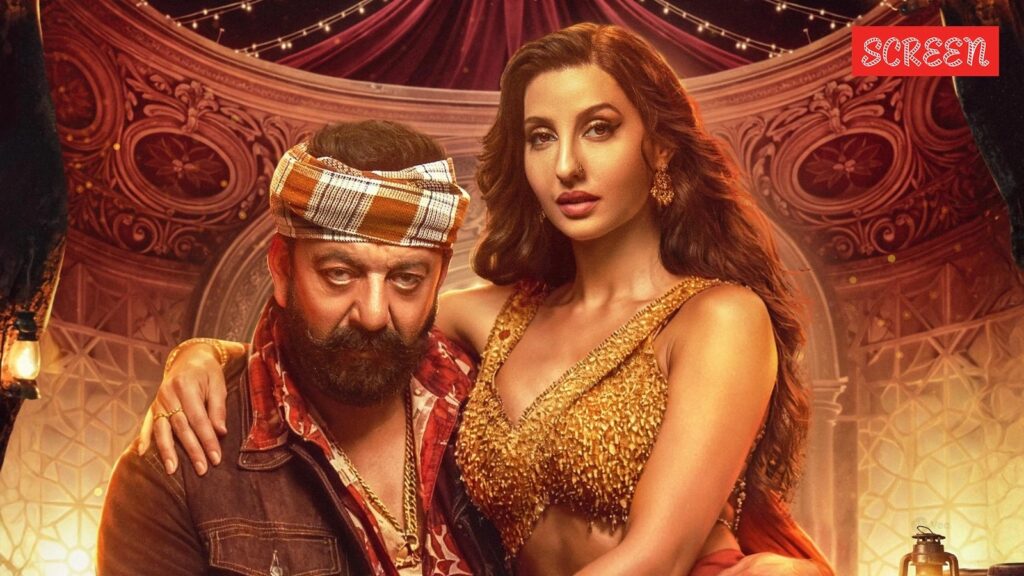
Nora Fatehi and Sanjay Dutt in the song “Sarke Chunar Teri Sarke”
Newswriters News Desk
The Evolution of the Item Song
The roots of the modern item song lie in the cabaret sequences of the 1950s and 1960s, when performers like Helen appeared in nightclub-style dance scenes. These performances were often portrayed as part of the story’s nightlife setting.
By the 1990s, however, Bollywood had transformed such numbers into standalone spectacles designed primarily for entertainment and publicity. Songs became bigger, choreography more elaborate, and performers increasingly glamorous.
At the same time, these numbers began attracting criticism for their lyrics, costumes, and visual style.
Early Controversies: “Choli Ke Peeche Kya Hai”
One of the earliest major controversies erupted in 1993 with Choli Ke Peeche Kya Hai from the film Khal Nayak, featuring Madhuri Dixit.
The lyrics—translated loosely as “What is behind the blouse?”—sparked nationwide protests. Critics argued that the song contained sexual innuendo and objectified women. Several political and social groups demanded a ban.
Despite the protests, the song became immensely popular and remains one of Bollywood’s most recognizable dance numbers.
The 2000s: Glamour and Mass Popularity
The 2000s witnessed the explosive growth of item songs as marketing tools. Some of the most famous examples include:
“Munni Badnaam Hui”
Munni Badnaam Hui from Dabangg, performed by Malaika Arora, became one of the biggest hits of 2010.
Yet critics objected to the phrase “badnaam hui” (“became infamous”), arguing that the song reinforced negative stereotypes about women. Feminist groups said the number turned the female performer into a spectacle for male audiences.
“Sheila Ki Jawani”
Another 2010 blockbuster was Sheila Ki Jawani from Tees Maar Khan, featuring Katrina Kaif.
The song faced criticism for its overtly sexualized choreography and lyrics. Some organizations complained that the track glamorized objectification, although the filmmakers defended it as playful entertainment.
Suggestive Metaphors and Brand References
In 2012, Fevicol Se from Dabangg 2, performed by Kareena Kapoor Khan, generated debate for its suggestive metaphors.
The lyrics used the name of a popular adhesive brand as a metaphor in romantic and playful lines. Critics argued that such wordplay crossed the boundary between humor and vulgarity.
Another song from the same era, Chikni Chameli from Agneepath, featuring Katrina Kaif, drew criticism for its intense choreography and portrayal of a seductive dancer.
Recent Controversies
In the past decade, controversies have continued as Bollywood item songs reach larger audiences through digital platforms.
“Oo Antava”
The song Oo Antava Oo Oo Antava from Pushpa: The Rise, featuring Samantha Ruth Prabhu, became a pan-Indian hit but faced criticism from some groups who claimed its lyrics portrayed men negatively.
“Besharam Rang”
Similarly, Besharam Rang from the film Pathaan, featuring Deepika Padukone, sparked political controversy over costume colors and choreography.
These incidents show that controversies are no longer limited to lyrics alone; they can also involve visual symbolism, costume design, and cultural interpretation.
The “Sarke Chunar Teri Sarke” Debate
The latest controversy surrounding Sarke Chunar Teri Sarke follows this established pattern.
The song quickly gained attention for its energetic choreography and Nora Fatehi’s dance performance. However, critics argued that certain lyrics and visuals were overly suggestive. Complaints were filed by some groups who demanded action from regulatory authorities.
The debate expanded into a broader conversation about creative freedom versus social responsibility in the film industry.
Why Item Songs Continue to Thrive
Despite repeated controversies, item songs remain hugely popular. Several factors explain their enduring success.
1. Marketing Power
Item songs function as powerful promotional tools. A catchy track can generate massive publicity even before a film’s release.
2. Viral Digital Culture
Dance numbers are ideal for short-video platforms, where clips and choreography trends spread rapidly.
3. Star Appeal
Featuring popular performers—from Madhuri Dixit to Nora Fatehi—ensures audience attention.
4. Entertainment Value
For many viewers, item songs are simply fun, energetic spectacles meant to entertain rather than convey deep messages.
A Continuing Cultural Negotiation
The recurring controversies around Bollywood item songs reveal a deeper cultural tension. Indian cinema operates in a society where modern global entertainment coexists with traditional social norms. As a result, songs that celebrate glamour and sensuality often provoke debates about values and representation.
At the same time, filmmakers argue that cinema should allow creative freedom and reflect changing cultural attitudes.
The discussion is therefore unlikely to end soon. As long as Bollywood continues producing spectacular dance numbers, item songs will remain both commercially successful and culturally contested.
The debate surrounding Sarke Chunar Teri Sarke is thus not merely about one song—it represents the latest chapter in Bollywood’s long and complex relationship with glamour, controversy, and popular culture.
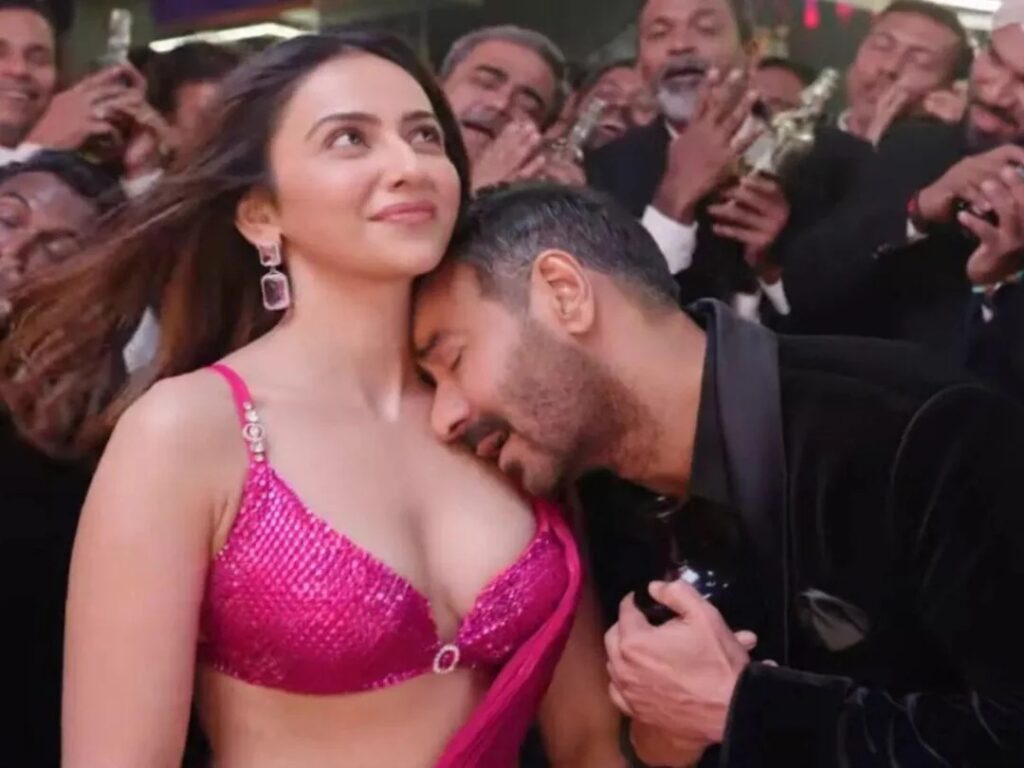
The Enduring Controversy of Bollywood’s Item Songs
Ultimately, the recurring controversies around Bollywood’s item songs reveal the complex relationship between entertainment, commerce, and cultural values in Indian cinema. From Choli Ke Peeche Kya Hai to Munni Badnaam Hui, Sheila Ki Jawani, and the recent Sarke Chunar Teri Sarke, these dance numbers repeatedly ignite debates about gender representation, censorship, and artistic freedom.
Yet their enduring popularity also demonstrates the powerful appeal of spectacle in Bollywood storytelling. As the industry continues to evolve in the era of streaming platforms and viral social media trends, item songs will likely remain both a commercial engine of film promotion and a flashpoint in India’s ongoing conversation about culture, morality, and creative expression.

