


A Call to Lead India’s Cultural and Political Future
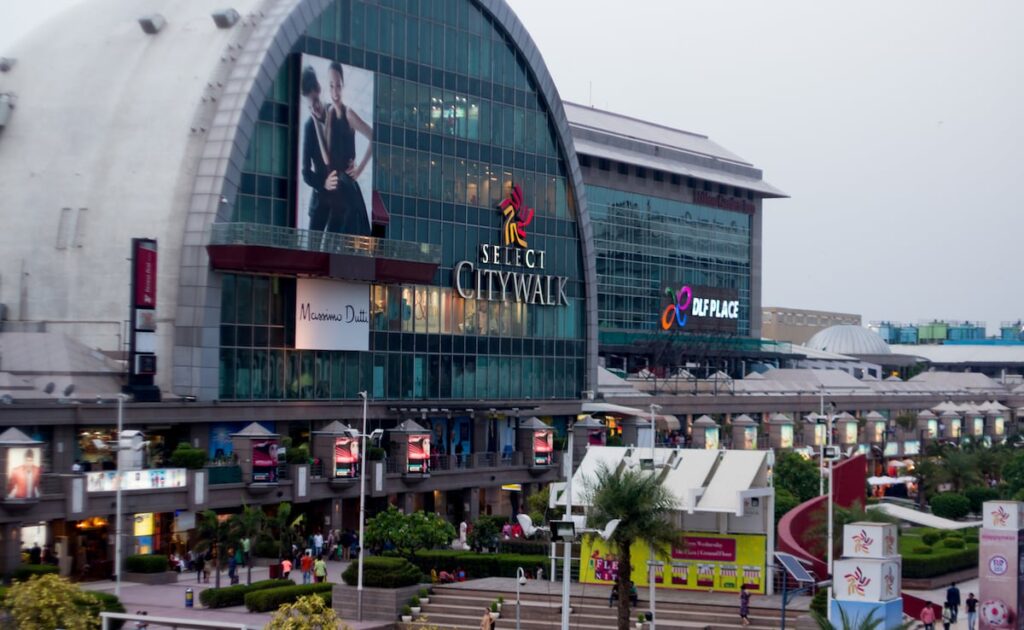
Once the moral anchor of Indian society, the middle class stood for education, ethics, and civic responsibility — the quiet custodians of national ideals and social progress. Three decades after liberalization, that anchor seems adrift in a sea of consumption and cultural confusion. From market to mall, from restraint to indulgence, India’s middle class has journeyed far — materially enriched but spiritually impoverished. As algorithms shape aspirations and debt fuels desire, it faces a deeper crisis of identity: prosperity without purpose. Can the Indian middle class, once the conscience of the nation, rediscover its soul in an age of consumerism and spectacle?
The professional class, which has emerged as the core of the middle class, maintains a minimal presence in political life, the heart of national life. This limited engagement has precipitated a profound crisis of identity and purpose within this group, with significant implications for society and governance. The new middle class, primarily composed of highly educated professionals, extends beyond its economic role to represent a cultural and ethical force, with an urgent imperative to take on leadership in all facets of national life.
By Subhash Dhuliya
The Mirage of Middle-Class Prosperity
The Indian middle class has long been projected as the “face of modern India” — aspirational, vocal, digitally connected, and globally aware. It embodies the idea of a confident, emerging nation — skilled, mobile, and ambitious. Yet, beneath this glitter of progress lies a darker undercurrent of anxiety, debt, and moral drift.
If poverty remains India’s persistent wound, middle-class insecurity has become its silent epidemic. Despite its economic expansion, the middle class struggles with a loss of collective moral and cultural anchor. The metaphor of “numerous islands in an ocean of poverty and deprivation” aptly captures
its paradox: separated from the poor by privilege, yet surrounded by the insecurity that poverty represents.
“The professional middle class, the backbone of society, stands at a crossroads. Despite driving economic and social progress, their absence from political life—the heart of the nation—has triggered a crisis of identity and purpose. This disconnect threatens not only their influence but the health of our democracy“
The essential question that shadows this class is profound: Is the Indian middle class truly empowered — or merely consumed by consumerism?
II. The Historical Context: From License Raj to Liberalization
For much of the post-independence period, especially under the so-called License Raj, India’s middle class lived a life of modest means. It was a community of salaried employees, schoolteachers, bank clerks, engineers, and small traders — modest earners with limited consumer choices but a strong moral compass.
Pre-1991, middle-class culture revolved around stability, savings, education, and social mobility through merit. Aspiration was tempered by self-restraint. Frugality was not a choice but a virtue.
The liberalization reforms of 1991 transformed this landscape. Markets opened, multinational brands arrived, and consumer goods flooded Indian homes. The old economy of scarcity gave way to the abundance of choice. The shift was not only economic but cultural — from needs to wants, from market to mall.
Media, advertising, and a new aspirational ethos began shaping the identity of the middle class. Television and later digital media promoted a vision of success built around consumption and lifestyle rather than education and ethics. The middle class, once content with modest comfort, was now asked to dream big, buy big, and live visibly.
The liberalization reforms of 1991 transformed this landscape. Markets opened, multinational brands arrived, and consumer goods flooded Indian homes. The old economy of scarcity gave way to the abundance of choice. But the shift was not only economic — it was civilizational in its reach, redefining how Indians lived, worked, and desired.
Post-1991, India witnessed the massive expansion of its middle class and a remarkable rise in purchasing power. The reforms unleashed a generation of consumers whose collective buying capacity soon rivaled that of entire regions — by some estimates, creating a market larger than the European Union. A class that once aspired merely to own a black-and-white television or a modest scooter now found itself surrounded by an expanding universe of consumer goods.
Within a decade, the unattainable became ordinary. Families that could hardly imagine owning a colour TV, air conditioner, or computer in the 1980s suddenly found themselves able to purchase all of these — along with cars, modern apartments, and luxury appliances — aided by reforms in the banking and credit system. Easy loans, EMIs, and the proliferation of private banks and consumer finance schemes turned aspiration into access.
Today, a typical middle-class household may own multiple mobile phones, laptops, air conditioners, and even cars — a far cry from the days when such items symbolized elite privilege. It was nothing short of a consumer revolution, a boom in which a new kind of Indian was born: confident, connected, and consumption-driven. A new consumer is born- backbone of GDP growth.
Yet this economic empowerment also marked the beginning of a profound cultural transformation. The middle class, once guided by values of thrift, education, and modest aspiration, now became the principal target of a new culture of desire. Media, advertising, and entertainment began crafting a seductive narrative of success defined not by what one did, but by what one owned. Shopping became an act of self-expression, and consumption — once a necessity — became an identity.
III. Defining the Middle Class: Numbers vs. Realities
Defining India’s middle class has always been an elusive exercise. Estimates range from 100 to 400 million, depending on whether one defines it by income, consumption, or lifestyle. Economists debate whether it starts at ₹2 lakh or ₹20 lakh a year.
The official poverty line may show a decline in the number of poor, but when measured by quality of life — healthcare, education, housing, and work security. A significant portion of the middle class lives just above the threshold of financial vulnerability. For many, savings are barely sufficient to cover emergencies.
A single job loss, a medical emergency, or an increase in rent can destabilize their fragile balance. For many, owning a house and car is achieved through loans rather than income growth. This has made them consumers before they are citizens, debtors before they are dreamers.
The middle class is also deeply stratified — between lower-middle and upper-middle segments, between urban and semi-urban India. While some can afford global lifestyles, many others are caught between aspiration and affordability, unable to sustain either.
IV. The Consumer Revolution: From Market to Mall — and the Crisis Beneath
The past three decades witnessed a consumer revolution unparalleled in Indian history. Shopping malls, multiplexes, and global brands became symbols of arrival. Credit cards, EMIs, and online shopping redefined the rhythm of life.
Consumerism replaced older middle-class values of thrift and moderation. The once-proud virtue of saving was replaced by the culture of spending. Consumption became a language of belonging, a way to perform success.
Digital consumerism has further deepened this transformation. Platforms like Amazon, Flipkart, Swiggy, Zomato, and Netflix now define daily routines, shaping not only what people buy or eat but how they imagine their own worth.
“Highly educated professionals, the core of the middle class, grapple with a fractured identity. Focused on careerism and insulated by socioeconomic status, they feel detached from the political processes shaping national life. This alienation fuels a deeper crisis, leaving their potential to shape society unfulfilled“
Beneath the illusion of empowerment lies a troubling truth: real wages have stagnated while costs have soared. The promise of the market has been accompanied by growing work insecurity and declining social protection. The middle class buys more but owns less — its prosperity mortgaged to its consumption.
Concurrently, the expansion of the middle class is contracting, with fewer households achieving upward mobility. The economy struggles to generate sufficient jobs for the lakhs of university graduates entering the workforce each year, leaving many aspirations unfulfilled. While entrepreneurship is on the rise, offering a glimmer of opportunity, it falls short of bridging the gap, as the scale and success of new ventures remain limited in addressing the broader economic challenges faced by the middle class.
V. The Cultural Shift: Identity in the Age of Algorithms
Culturally, the middle class has become a product of the digital age — shaped by social media validation, influencer culture, and algorithmic taste-making. The Instagram feed has replaced the family album; Netflix recommendations have replaced collective viewing on Doordarshan.
The clash between Western consumer values and traditional Indian ethos has created a confusion of identity. A generation fluent in English and emojis but alienated from their native languages and cultural memory stands at the crossroads of imitation and invention.
Cinema, food, and fashion reflect this hybrid, fractured identity. Ethnic chic coexists with fast fashion; nationalism cohabits with global consumption. What once defined culture through belonging now defines it through branding.
Algorithms curate not just what people consume but what they believe. The middle class increasingly lives within digital echo chambers where tastes, opinions, and desires are manufactured invisibly. Identity itself has become commodified — customized for sale.
VI. Political and Social Dimensions
The Indian middle class once served as the conscience-keeper of the nation — the constituency of reform, civic activism, and intellectual leadership. From the freedom struggle to the anti-corruption movements, it represented moral authority.
That role has eroded. The middle class today appears politically polarized, socially divided, and inward-looking. Civic engagement has shrunk. Instead of participating in collective action, many prefer the safety of “drawing-room nationalism” — vocal in opinion but passive in commitment.
The new generation of the consumer middle class is, in many ways, apolitical — disengaged from the processes that shape the nation’s policy and destiny. Active on social media but rarely debating substantial national issues, it often mistakes expression for engagement and opinion for action. While fluent in digital outrage and symbolic activism, it remains distant from the hard, unglamorous work of politics and governance.
“The revival of moral and civic responsibility is essential. The professional middle class must move beyond economic roles to lead as a cultural and ethical force. By embracing leadership in all facets of national life, they can bridge the gap between expertise and impact“
Unlike earlier generations that produced administrators, reformers, and political leaders, this cohort aspires more to consumption than to contribution. The result is a class that influences discourse but not direction — shaping conversations, yet absent from the corridors of decision-making that define the nation’s future. The professional class has a minimal presence in political life, which forms the core of national life.
Concern for inequality, unemployment, or the environment has been replaced by preoccupation with personal progress and comfort. The political class, in turn, courts this demographic through tax reliefs, housing schemes, and digital incentives — transforming citizens into consumers of governance.
This depoliticization of the middle class has weakened its democratic potential. It seeks stability over justice, efficiency over empathy — trading its moral authority for material convenience.
VII. Economic Anxiety: Beneath the Surface of Affluence
Behind the veneer of prosperity lies a pervasive sense of economic anxiety. Job insecurity in the private sector is rising, automation threatens middle-level employment, and the informalization of work blurs the boundary between professional and precarious.
Educational inflation has compounded the problem — more degrees, fewer jobs. The once-reliable ladder of social mobility through education now wobbles under overqualification and underemployment.
The cost of living, healthcare, and education has escalated, pushing families into long-term debt. The middle-class dream, once defined by stability, has turned into a treadmill of survival — relentless work to sustain an unsustainable lifestyle.
Debt and burnout have become the defining features of middle-class life. They earn to consume and consume to earn, trapped in an economic cycle that promises progress but delivers exhaustion.
VIII. Crisis of Identity and Purpose
The erosion of collective ideals is the most profound consequence of this transformation. The Nehruvian ethics of service and intellectual engagement have given way to a neoliberal ethic of self-interest and competition.
Material success has not brought psychological fulfillment. The search for meaning amid plenty has led to emptiness, alienation, and rising mental stress. The middle class finds itself privileged yet powerless — neither rich enough to influence policy nor poor enough to claim empathy.
This class floats between two worlds — the aspiration of affluence and the fear of decline. The result is an identity vacuum: Who are we beyond what we consume?
The professional class which has emerged as the core of the middle class and expected to play a central role in national life. It encompasses skilled and educated individuals such as doctors, engineers, lawyers, academics, and corporate professionals, maintains a minimal presence in political life, which constitutes the core of national life. This limited engagement has precipitated a profound crisis of identity and purpose within this group, carrying significant implications for society and governance.
“The challenge facing the middle class transcends economics, striking at their very purpose. As a vital force in society, professionals must lead in politics, culture, and ethics. Their active engagement is crucial to strengthening democracy and forging a unified national future“
The professional class often grapples with an identity torn between their role as contributors to economic and social progress through specialized expertise and their potential as agents of change in the political arena. However, their identity is frequently shaped by careerism and specialization, prioritizing individual achievement and financial stability over civic engagement.
This focus fosters a disconnect from the political processes that define national life, leaving professionals feeling detached from the broader societal narrative. Many view politics as chaotic, corrupt, or irrelevant to their immediate concerns, fostering apathy that discourages active participation and reinforces alienation.
Additionally, a technocratic mindset, which values efficiency and expertise over ideological debates, often leads to frustration when political realities, rooted in compromise and public sentiment, fail to align with their problem-solving instincts. Cultural shifts toward consumerism and individualism further erode a collective sense of purpose tied to national or political identity, exacerbating this identity crisis.
The minimal presence in political life also fuels a crisis of purpose. Politics, as the core of national life, is where values, policies, and visions for the future are debated and shaped. When professionals abstain from this arena, they forfeit the opportunity to align their expertise with the nation’s broader goals, resulting in a sense of unfulfilled potential.
The underrepresentation of professionals in politics means their evidence-based reasoning and specialized knowledge are absent from policymaking, allowing populist or less-informed voices to dominate and leaving professionals feeling their expertise is underutilized. Historically, civic engagement was considered a duty of the educated elite, but today, the professional class often prioritizes personal or sectoral interests over collective responsibility, diminishing their sense of purpose in shaping the national good.
Insulated by socioeconomic status, professionals may feel disconnected from the struggles of the broader population, further undermining their ability to find purpose in addressing systemic issues like inequality, education, or healthcare through political action.
The crises of identity and purpose within the professional class carry far-reaching consequences, weakening democratic institutions that rely on diverse perspectives for robust governance. This detachment perpetuates a cycle where professionals feel increasingly irrelevant to political outcomes, further entrenching their withdrawal. Addressing these crises requires creating platforms for professionals to engage in politics through advisory roles, civic forums, or candidacy, thereby bridging the gap between their expertise and political influence.
“The middle class’s minimal role in politics has left a void in national life. As a cultural and ethical force, their expertise is sidelined, allowing less-informed voices to dominate. This crisis of purpose demands they reclaim their civic duty to shape the nation’s future”
Educational and professional institutions could redefine civic identity by emphasizing civic responsibility as integral to professional identity, fostering a culture where political engagement is a natural extension of expertise. Political systems must also become more accessible, reducing barriers such as time constraints, financial costs, or the perception of politics as an insider’s game.
By reconnecting the professional class with political life, society can harness their skills and perspectives to address national challenges, restoring a sense of identity and purpose that aligns personal achievement with collective progress.1.4sFast
In losing its moral compass, the middle class has also lost its social imagination. It no longer leads; it follows trends. It no longer questions; it adapts.
IX. The Way Forward: Reclaiming Values and Voices
To recover its sense of purpose, the middle class must reconnect with its ethical and civic foundations. Empathy, sustainability, and public-mindedness must replace consumerist narcissism.
Investing in education, public institutions, and civic responsibility is crucial. The middle class should see itself not as a fortress of privilege but as a bridge between the privileged and the poor — the social conscience that can steer India toward equitable progress.
Redefining success is essential. True progress lies not in what we possess but in what we contribute — not in accumulation but in awareness. The middle class can lead by example: consuming less, caring more, and re-engaging with community and citizenship.
The revival of moral and civic responsibility is not only desirable but essential. The middle class, primarily composed of highly educated professionals, extends beyond its economic role to represent a cultural and ethical force, with an urgent imperative to take on leadership in all facets of national life.
X. Conclusion: Between Aspiration and Alienation
The Indian middle class today stands at a crossroads — prosperous yet precarious, connected yet confused. It has journeyed from scarcity to spectacle, from modest markets to global malls, from collective ideals to individual ambitions.
But in gaining the world, it risks losing its soul.
Unless it redefines its sense of identity beyond consumption and reconnects with the ethics of compassion, it may become the most affluent victim of its own success. The middle class faces a challenge that extends beyond economic concerns, striking at the core of its purpose.
In rediscovering its civic and moral consciousness lies the possibility of a more balanced, humane, and sustainable India — one where prosperity does not come at the cost of purpose.
References & Further Reading
- Fernandes, Leela (2006). India’s New Middle Class: Democratic Politics in an Era of Economic Reform.University of Minnesota Press.
- Deshpande, Satish (2003). Contemporary India: A Sociological View.
Penguin Books India. - Varma, Pavan K. (2007). The Great Indian Middle Class. Penguin Books India
- Nandy, Ashis (1998). “Consumerism and Its Discontents.” In The Romance of the State and the Fate of Dissent in the Tropics. Oxford
- Jha, Prem Shankar (2003). The Perilous Road to the Market: The Political Economy of Reform in India. Pluto Press.
- Mazzarella, William (2003). Shoveling Smoke: Advertising and Globalization in Contemporary India.Duke University Press.
- Jeffrey, Craig (2010). Timepass: Youth, Class, and the Politics of Waiting in India. Stanford University Press.
- Ray, Raka and Seemin Qayum (2011). Cultures of Servitude: Modernity, Domesticity, and Class in India.Stanford University Press.
- Ninan, Sevanti (2019). “The Burden of Aspiration: The Middle Class and India’s Media Revolution.”Article in The India Forum.
https://www.theindiaforum.in - Thakurta, Paranjoy Guha (2012). Media Ethics: Truth, Fairness, and Objectivity. Oxford University Press.
Additional Contemporary Readings
- Thomas, Roshan (2023). “Middle Class India and the Culture of Credit.”Economic & Political Weekly, Vol. 58, Issue 14.
Beteille, André (2012). “The Middle Class in India: Fragmented Yet Dominant.”Sociological Bulletin, Vol. 61(1).
Sundar, Nandini (Ed.) (2020). The Burning Middle Class: Notes on
About the Author
Prof. Subhash Dhuliya is a researcher, educator, and commentator with a focus on global politics, media, culture, and international communication. His academic interests extend to development and inter-cultural communication As the Founder-Director & Editor of Newswriters.in, he has significantly influenced the discourse on media and communication
He has served as Vice Chancellor of Uttarakhand Open University and as Professor at IGNOU, IIMC, and CURAJ. Prof. Dhuliya has also been Editor of Communicator and Sanchar Madhyam, the research journals of IIMC in English and Hindi, respectively
Earlier in his career, Prof. Dhuliya worked in journalism as Assistant Editor with the Times Group (Sunday Times and Navbharat Times) and as Chief Sub-Editor at Amrit Prabhat (Amrit Bazar Patrika Group). A regular writer on communication, global affairs, and economic issues, Prof. Dhuliya offers in-depth insights into the dynamic interplay between media, policy, and society.

